

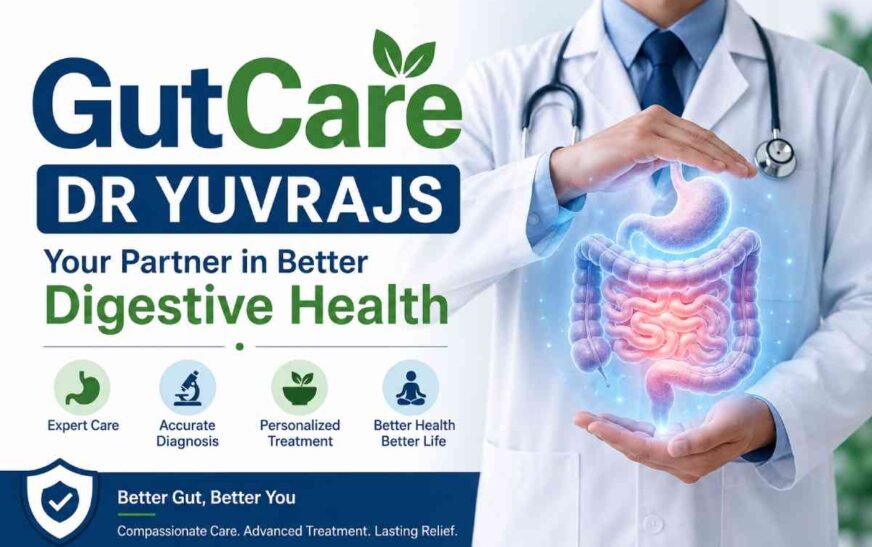
Digestive health has a profound impact on nearly every area of our lives. Whether we’re looking at how well we absorb nutrients, our energy levels, the strength of our immune system, or our mental health, our gut is the control tower. With growing interest in the diagnosis and treatment of digestive issues, an increasing number of individuals are turning to reliable sources for advice. Among these sources, Gutcare – Dr yuvrajs is one name that has begun to garner notice among those seeking knowledgeable insights into managing their digestive health.
This article will guide you through the significance of gut health, some commonly found digestive issues, modern solutions for these, ways to enhance life through healthy living, and how dedicated digestive treatment may impact your life positively.
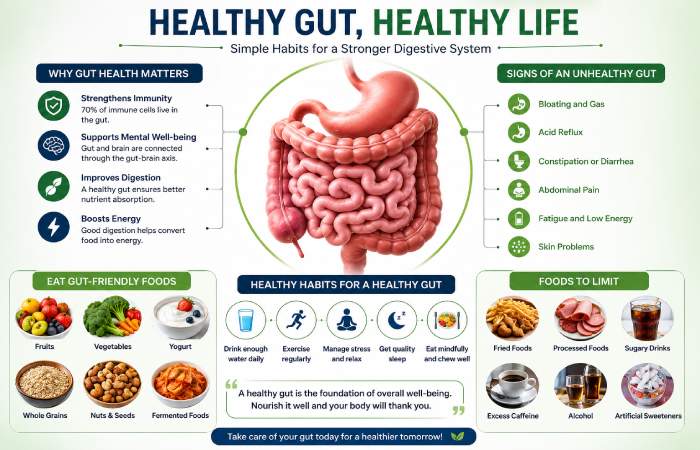
Understanding Why Gut Health Matters
Your digestive system is the part of your body that breaks down food and provides it with nutrients. It processes that. But they do more.
Research has shown that the gut is closely connected to:
- Immune system regulation
- Hormonal balance
- Mental health and mood
- Metabolic health
- Inflammation control
The gut microbiome is a collective of bacteria, viruses, and fungi that are all found within the gastrointestinal tract. These trillion or so microbes play a number of important roles. For instance, the right balance of gut microbes aids in the process of digesting food, but if unbalanced, the gut microbiome may cause a range of other health issues.
Sure, you might get a stomachache now and then. But if pain like this strikes most of the time, there could be a more serious issue, and you might need to see your doctor.
Common Digestive Problems Seen Today
Over the years, due to changing lifestyles, the number of people complaining about indigestion has increased significantly. A poor diet, lack of exercise, and the stress factor are known causes.
Digestive Symptoms That Should Not Be Ignored
| Symptom | Possible Cause |
| Bloating | Food intolerance, IBS |
| Acid reflux | GERD, dietary triggers |
| Constipation | Low fiber intake |
| Diarrhea | Infection, IBS |
| Abdominal pain | Multiple digestive disorders |
| Excessive gas | Microbiome imbalance |
| Nausea | Gastric disorders |
| Indigestion | Functional dyspepsia |
Any ongoing symptoms for more than a few weeks should be checked with a suitably trained healthcare professional.
The Growing Focus on Preventive Gut Care
Prevention over Cure. We see the trends changing from merely symptom-based management to preventive care, which is more prevalent in the medical fields like gastroenterology.
Preventive gut care focuses on:
- Early diagnosis
- Lifestyle modifications
- Nutritional optimization
- Regular health monitoring
- Personalized treatment plans
Many digestive disorders can be effectively managed when detected early.
With regards to the philosophy of Gutcare – Dr yuvrajs, it’s not just about managing symptoms but also understanding the core of the problem.
Major Gastrointestinal Disorders Explained
Irritable Bowel Syndrome (IBS)
IBS is one of the most common functional gastrointestinal disorders worldwide.
Symptoms often include:
- Abdominal pain
- Bloating
- Diarrhea
- Constipation
- Changes in bowel habits
IBS does not cause structural damage to the digestive tract, but it can significantly affect quality of life.
Gastroesophageal Reflux Disease (GERD)
GERD occurs when stomach acid repeatedly flows back into the esophagus.
Common symptoms include:
- Heartburn
- Chest discomfort
- Regurgitation
- Chronic cough
- Difficulty swallowing
Without treatment, GERD may lead to complications over time.
Inflammatory Bowel Disease (IBD)
IBD includes conditions such as:
| Condition | Primary Area Affected |
| Crohn’s Disease | Any part of the digestive tract |
| Ulcerative Colitis | Colon and rectum |
Unlike IBS, IBD involves chronic inflammation and requires long-term management.
Gastritis
Gastritis refers to inflammation of the stomach lining.
Possible causes include:
- Helicobacter pylori infection
- Excessive alcohol consumption
- Long-term painkiller use
- Autoimmune conditions
Early diagnosis often helps prevent complications.
The Gut-Brain Connection
Digestive Research’s most captivating subject? The gut-brain axis. Here are the amazing connections scientists have uncovered between your gut and brain:
- Neural pathways
- Hormonal signaling
- Immune responses
- Gut microbiota interactions
This connection helps explain why stress frequently worsens digestive symptoms.
How Stress Impacts Digestion
Stress may contribute to:
- Increased acid production
- Slower digestion
- Altered gut bacteria
- Increased intestinal sensitivity
- Worsening IBS symptoms
Managing emotional health is therefore an important part of comprehensive digestive care.
Modern Diagnostic Tools in Gastroenterology
Accurate diagnosis forms the foundation of effective treatment.
Common Gastrointestinal Diagnostic Tests
| Test | Purpose |
| Endoscopy | Examine the upper digestive tract |
| Colonoscopy | Evaluate colon health |
| Ultrasound | Detect structural abnormalities |
| CT Scan | Detailed imaging |
| Stool Analysis | Assess infections and inflammation. |
| Blood Tests | Detect nutritional deficiencies |
| Breath Tests | Evaluate bacterial overgrowth |
After undergoing a colonoscopy, following suitable dietary guidelines can help support recovery. Read our guide on what you can eat after a colonoscopy to learn more about post-procedure food choices. the choice of investigation depends on symptoms, medical history, and clinical findings.
Nutrition and Gut Health
Diet remains one of the most influential factors affecting digestive wellness.
Foods That Support Gut Health
| Food Category | Benefits |
| Fruits | Fiber and antioxidants |
| Vegetables | Prebiotic support |
| Whole grains | Improved bowel function |
| Yogurt | Beneficial probiotics |
| Fermented foods | Microbiome diversity |
| Nuts and seeds | Healthy fats and fiber |
| Legumes | Gut-friendly nutrients |
A varied and balanced diet often produces the best long-term outcomes. Probiotics may also play a role in digestive health in certain situations. Learn more about lactic acid bacillus capsules, their potential uses, and important precautions before taking them.
Foods That May Trigger Digestive Symptoms
Some individuals may experience discomfort after consuming:
- Excessively processed foods
- Sugary beverages
- Fried foods
- Excessive caffeine
- Artificial sweeteners
- High-fat meals
Food triggers vary significantly between individuals.
Lifestyle Habits for Better Digestion
Medical treatment works best when combined with healthy lifestyle practices.
Daily Habits That Improve Gut Function
Stay Physically Active
Regular exercise promotes healthy bowel movements and supports metabolic health.
Maintain Adequate Hydration
Water helps digestion and prevents constipation.
Prioritize Sleep
Poor sleep has been linked to digestive disturbances and microbiome imbalance.
Eat Mindfully
Eating slowly improves digestion and may reduce bloating.
Manage Stress
Meditation, yoga, and breathing exercises may help improve digestive symptoms.
These lifestyle principles are frequently emphasized within comprehensive digestive wellness programs such as Gutcare – Dr yuvrajs.
The Role of Personalized Treatment
No two digestive systems are exactly alike.
Factors influencing digestive health include:
- Genetics
- Diet
- Lifestyle
- Medical history
- Medication use
- Microbiome composition
Because of these differences, personalized treatment plans often produce better outcomes than one-size-fits-all approaches.
Components of Individualized Care
| Treatment Area | Possible Strategies |
| Nutrition | Customized dietary plans |
| Medication | Symptom-specific treatment |
| Lifestyle | Exercise and sleep optimization |
| Stress Management | Behavioral interventions |
| Monitoring | Regular follow-up assessments |
When Should You See a Gastroenterology Specialist?
Many digestive issues resolve on their own, but certain symptoms require professional evaluation.
Seek Medical Attention If You Experience
- Persistent abdominal pain
- Unexplained weight loss
- Blood in stool
- Chronic diarrhea
- Difficulty swallowing
- Frequent vomiting
- Severe reflux symptoms
- Family history of gastrointestinal diseases
- If you are looking for specialist care for persistent digestive problems, explore our guide to the top 5 gastroenterologists in Kolkata to learn about specialists who may be worth considering.
Early intervention often improves treatment outcomes.
Emerging Trends in Gut Health Research
The field of gastroenterology continues to evolve rapidly.
Current research areas include:
Microbiome-Based Therapies
New methods researchers are developing may use precise microbiome manipulations to aid in the control of digestive diseases.
Precision Nutrition
Diet personalized by genomics and gut microbiome analysis is another up-and-coming practice.
Artificial Intelligence in Gastroenterology
Accuracy for detection, identification, and diagnosis systems. Improve accuracy for medical image-based diagnosis, treatment decision support systems, and computer-aided diagnosis systems by means of AI to further assist in better identification and diagnosis of different diseases.
Advanced Endoscopic Procedures
Modern technologies allow less invasive treatment for various gastrointestinal conditions. These innovations may significantly influence future digestive healthcare practices.
Why Comprehensive Gut Care Matters
Digestive symptoms are often interconnected with broader health concerns. Addressing only the visible symptoms may overlook important underlying causes.
A comprehensive approach considers:
- Medical history
- Lifestyle factors
- Nutritional status
- Mental well-being
- Preventive health measures
This holistic perspective aligns with the principles associated with Gutcare – Dr yuvrajs, where long-term digestive wellness is prioritized alongside symptom management.
Conclusion
Digestive health is critical for a lifetime of good health. With the current drive for sub-specialization in all of gastrointestinal disease, the gut’s central role in your immunity, your weight, your cognition, and indeed, your entire body has become undeniable. Tailored, professional quality protocols designed for your unique needs, utilizing nutrition, supplementation, lifestyle, and both timeless and new information, create vibrant digestion and a sense of thriving you truly need and deserve.
So, whether tackling everyday bloating and reflux or tackling the bigger issues of digestive disorders, the Gutcare – Dr yuvrajs point the way for long-term health through preventative and appropriate healthcare with cutting-edge medical science research.